
Overview
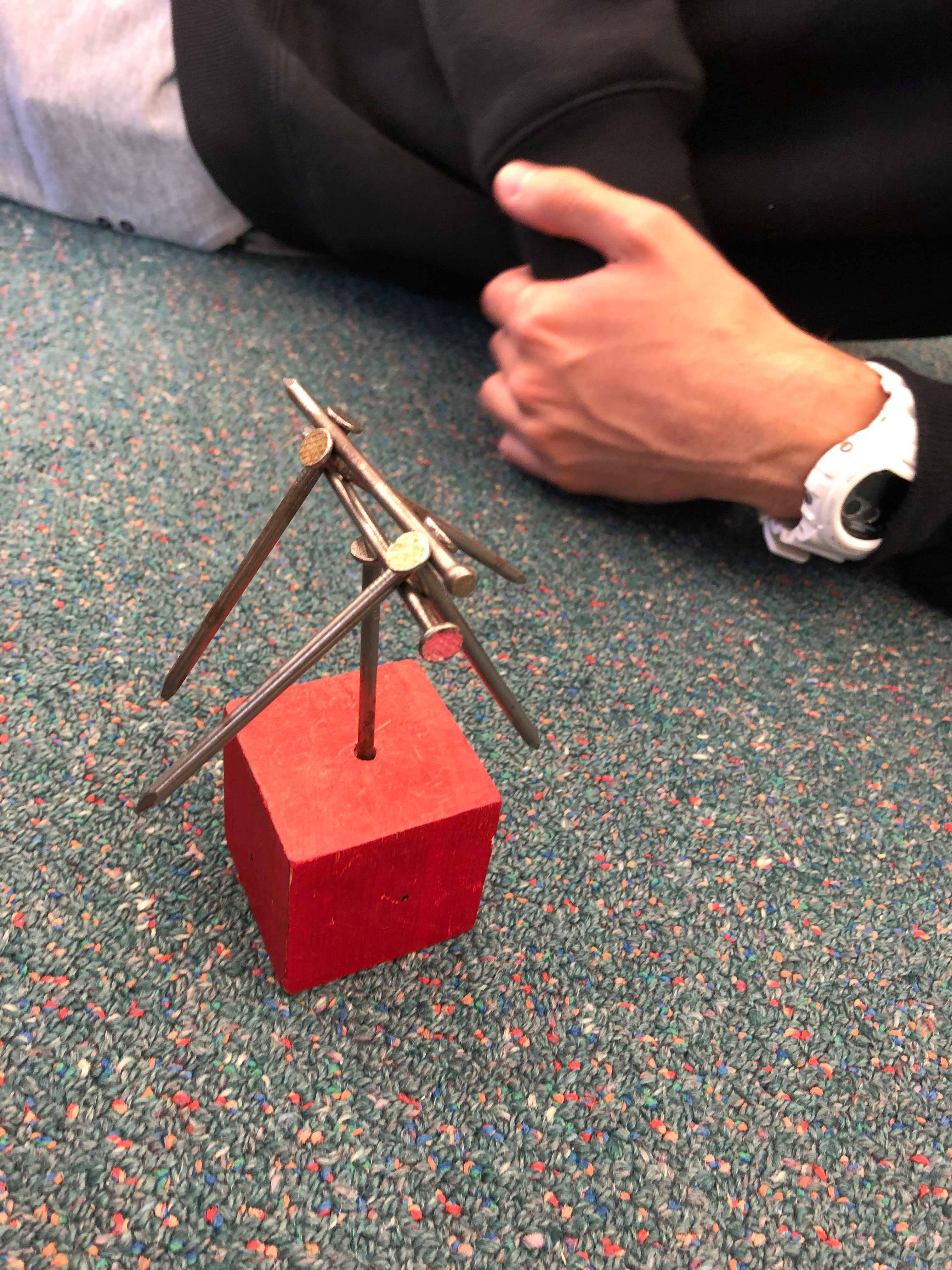
To our surprise, this concept of constructionism and maker mindsets is not a new one in the educational domain, however we don’t usually see it in this way. Maker mindset relates very similarly to experiential learning where students get involved and learn by doing (Dougherty, 2015). Students can use this concept in schooling to express themselves through their creations by working through creativity and making. Allowing for activities which work on this concept of makerspaces does not have to be difficult or expensive either. We can teach our kids these concepts by using simple things found around the house (See image below).
Classroom Implementation:
Makerspaces can be incredibly beneficial to classrooms as they work on the premises of collaboration and problem solving. Even if we as the teacher may feel confused or frustrated with our technology makerspaces, students will deeply engage and will be able to use these experiences in many different areas of their life. Students also get a sense of empowerment when they have these experiences as they create things they create things they never thought they could (Donaldson, 2014). Using makerspaces in your classroom encourages computational and creative thinking as students solve problems and collaborate with hands on activities which will allow the students to be engaged in their curriculum units.
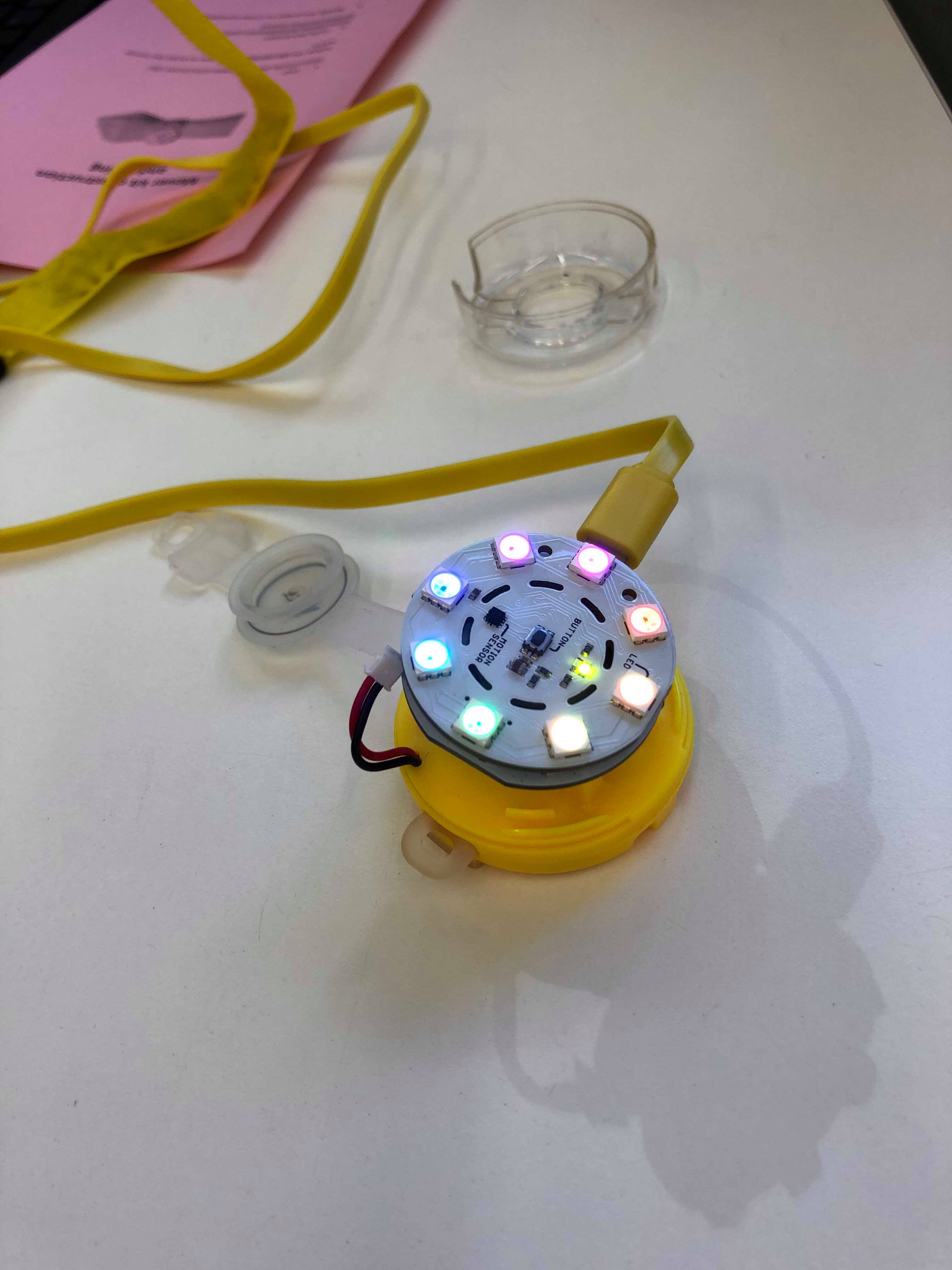
A really simple technological way to begin your study of constructionism is using the Creative Coder Kit. I was able to experience this technology and have a play around with coding it the kit. Students will again get this idea of coding through this kit by being able to code the lights within the watch. Allow students to play around with the coding of the watch and see what ideas they can come up with! While you may have a certain idea of how you want this technology to be used but allow students to play with their constructionism minds and creative ideas and see what they can do or what problems they can solve.
Creativity:
Creative coder literally has creative in its name. Allow this to take hold of your class and let them explore their creativity! Don’t limit them in what they can do. This coding concept allows for creativity as students are guided through the application.
References:
Dougherty, D. (2015). The Maker Mindset. Retrieved from https://llk.media.mit.edu/courses/readings/maker-mindset.pdf
Donaldson, J. (2014). The Maker Movement and the rebirth of Constructionism. Hybrid Pedagogy. Available at: http://www.hybridpedagogy.com/journal/constructionism-reborn/
 Asha Beaton
Hi Asha,
I enjoyed reading your post on Makerspaces. From the sound of this, it seems as though you believe Makerspaces could be integrated within more junior classrooms, Stage 1? Would you agree this could be possible? Do you think young students would need any foundational learning before they can comfortably learn and create in such spaces?
All the best,
Ashleigh
LikeLike
Hi Asha,
I enjoyed your discussion about allowing students flexibility to be creative when using Creative Coder Kit. What a simple way to heighten creativity! How do you think you could assess such a task with all the variances?
I also enjoyed your definition of constructionism and how you linked this to experiential learning. I am very familiar with experiential learning so it helped me to understand the definition constructionism better. So great link, thanks!
Do you think experiential learning is easier with using digital technologies or traditional methods?
Soph
LikeLike